
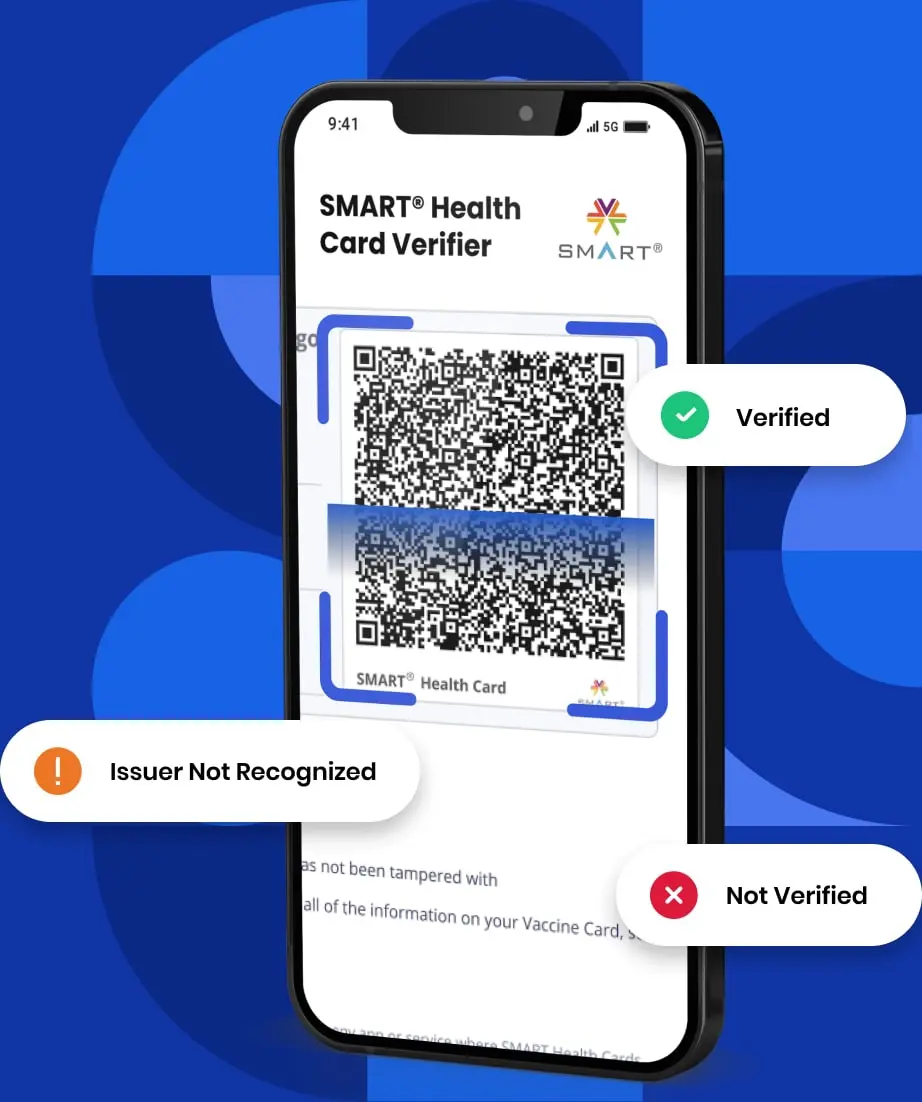
Health data is one of the most valuable assets in a person’s life, yet is one of the hardest to access and use. Records are scattered across providers, payers, pharmacies, labs, devices, and even today, still locked in paper-based systems.
Health data flows are often designed around institutions, not people. This makes it difficult for individuals to access, manage, and share their own information when it matters. The result is preventable harm, wasted spending, and a system that does not work for the people who need it most.

When providers have access to a more complete longitudinal record, research shows they can reduce duplicate testing, avoid unnecessary imaging, lower emergency department and hospital utilization, and make better-informed care decisions.
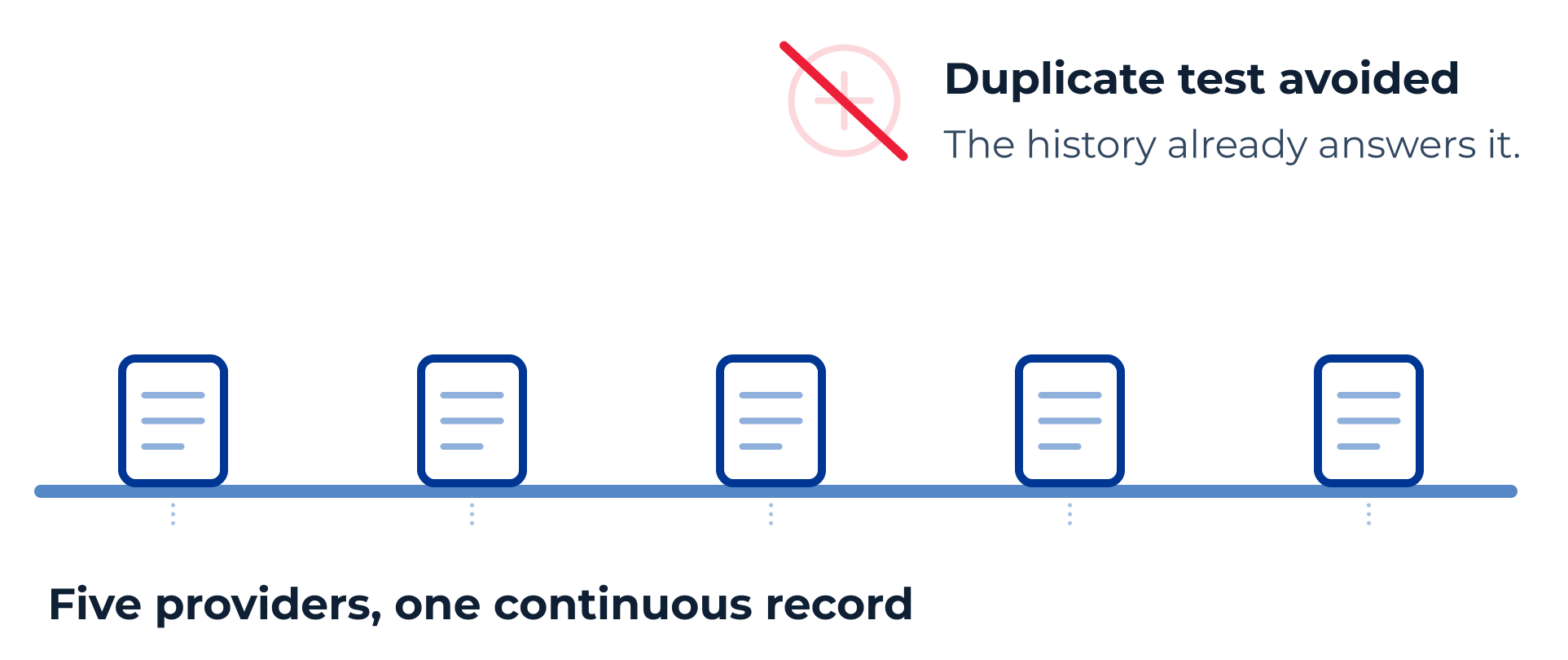
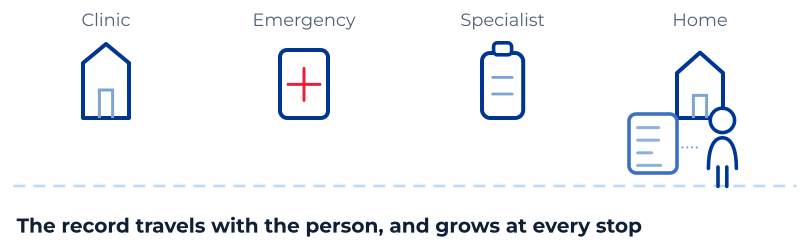
When patients can access and share their existing health records, they help close information gaps across fragmented care settings. Research suggests that giving people access to their own health information can improve understanding, perceived control, communication, and continuity of care, especially in systems where records do not reliably follow the person.
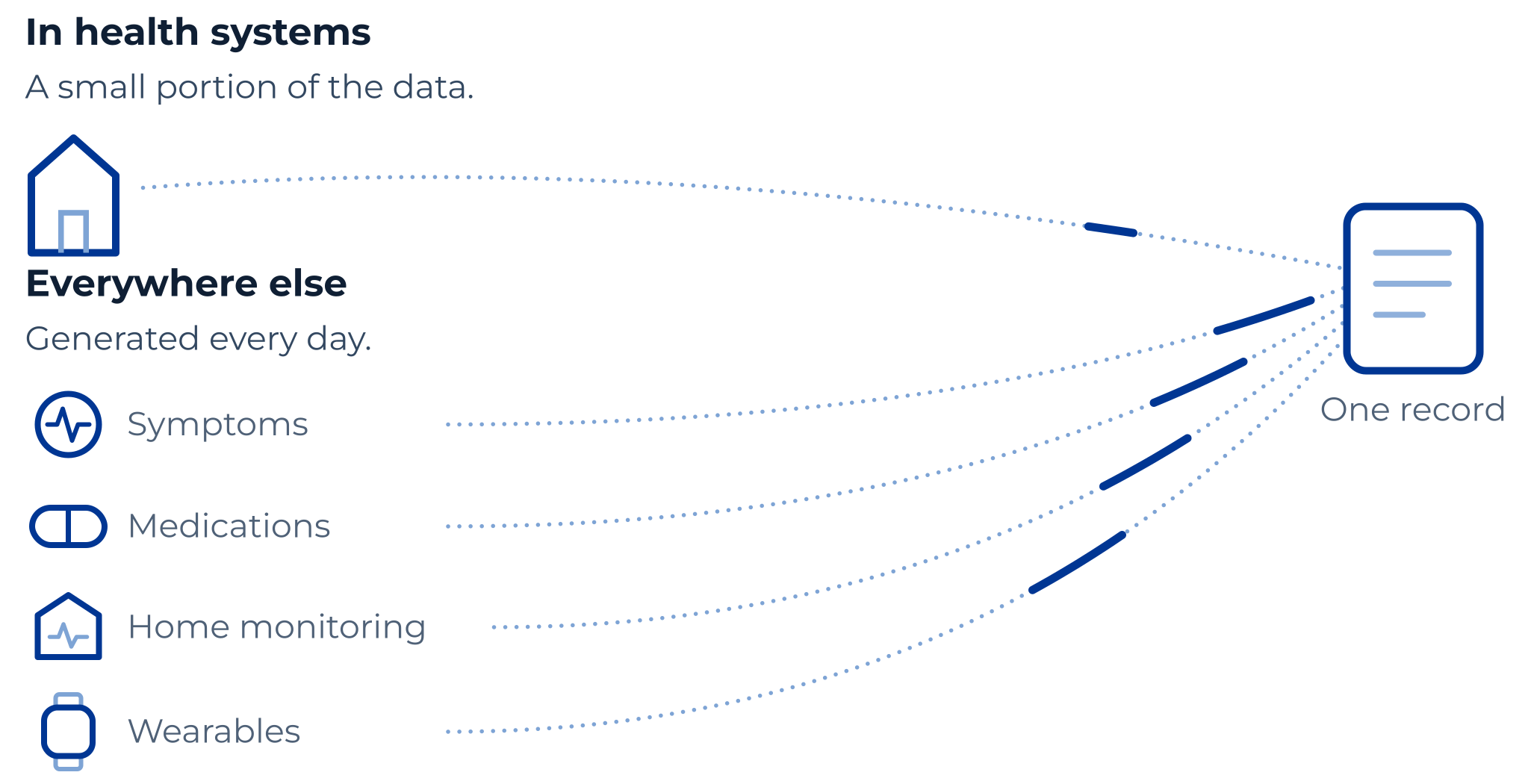
Health does not only happen inside hospitals and provider offices. Today only a small portion of health data is created within health systems. Patients generate valuable health information every day, through symptoms, medications, home monitoring, wearables, patient-reported outcomes, and other signals.
We help author and advance standards that enable the flow of health data: HL7, FHIR, SMART Health Cards, SMART Health Links, and the International Patient Summary.
We co-lead, co-found, and participate in multistakeholder coalitions that turn standards into reality: Vaccination Credential Initiative (VCI), the CARIN Alliance, the CommonTrust Network, and the JupyterHealth community.
We build open, privacy-preserving products and services that put real, usable health data in people's hands today.
Our standards, technology, and partnerships work together to help public institutions, health systems, and local implementers identify gaps and put the tools, workforce, and enabling conditions in place for person-centered digital health at scale.

The Commons Project Foundation is a global tech nonprofit building solutions that empower people to access, manage, and share their health data.

